
Welcome to this guide on AI pricing improvement for online stores. If you’re running an online shop, you’re in the right place. Maybe you’re just curious about how technology can help boost sales. I’ll explain everything step by step, like a teacher breaking down a new topic. We’ll cover what it is, how it works, the benefits, tools you can use, and more. By the end, you’ll have a clear understanding of how AI can make pricing smarter and more profitable.

Dynamic Pricing and AI Pricing Improvement Concept for E-commerce
What is AI Pricing Adjustment?
Let’s start with the basics. AI pricing enhancement helps online stores use artificial intelligence. It sets the best prices for its products. Instead of guessing or sticking with fixed prices, AI analyzes extensive data. It suggests prices that can increase sales and profits.
Think of it like this: In a traditional store, a manager will lower prices. They do this during a slow day to attract more customers. AI does something similar but on a much larger scale and faster. It analyzes things like customer behavior, competitor prices, demand changes, and even the time of day. The goal is to find the “sweet spot” price. It should not be too high to scare away buyers. It should also not be too low to lose money.
This isn’t new, but AI makes it more precise and automatic. Big companies like Amazon use it to change prices multiple times a day. They base these changes on what’s happening in the market.
How Does AI Pricing Improvement Work?
Now, let’s dive into the mechanics. AI pricing improvement uses machine learning, a type of AI that learns from data patterns. Here’s a simple breakdown:
First, the AI collects data from various sources. This encompasses your store’s sales history, customer browsing habits, and inventory levels. Additionally, it considers external factors like weather or holidays that affect buying.
Next, it runs algorithms – think of these as smart recipes – to predict the best price. Common techniques include:
- Dynamic Pricing: Prices change in real time. If a product is selling fast, the price will go up slightly. If it’s not, it drops to encourage sales.
- Competitive Pricing: AI monitors what competitors charge and adjusts your prices to stay attractive without starting a price war.
- Personalized Pricing: For loyal customers, AI will offer custom discounts based on their past purchases.
These systems often use models like regression analysis. They also use neural networks to forecast demand. These systems analyze elasticity (how sensitive customers are to price changes). The result? Prices that adapt automatically, saving you time and reducing errors from manual adjustments.
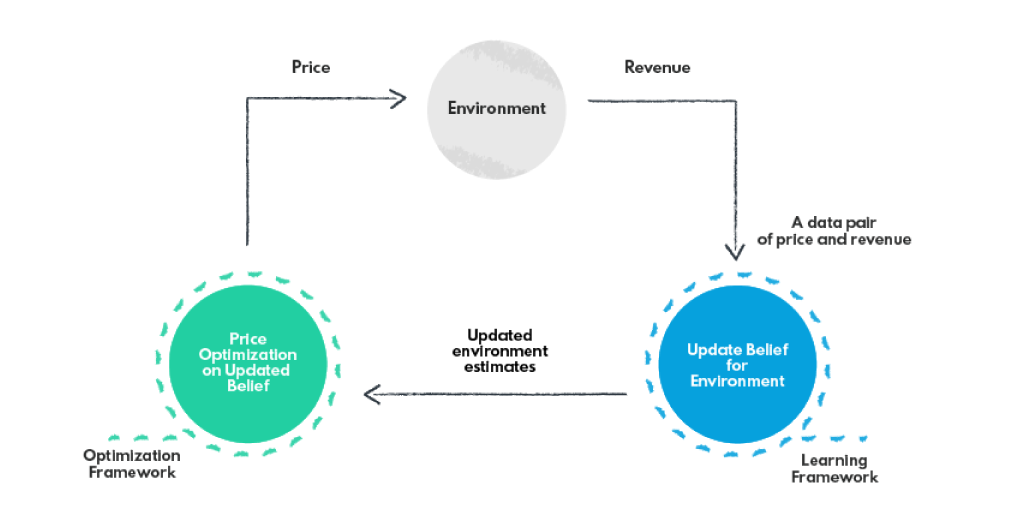
AI-Powered Dynamic Pricing Strategies for E-Commerce
Benefits of AI Pricing Improvement
Why bother with this? The advantages are huge for online stores. Here are the key ones:
- Increased Profits: By setting optimal prices, stores can boost revenue by 5-15% on average. AI helps capture more value from high-demand items while clearing out slow-movers.
- Better Customer Satisfaction: Prices feel fair and competitive. Personalized deals make shoppers feel valued, leading to repeat business.
- Efficiency: No more spreadsheets or guesswork. AI handles complex calculations, freeing up your team for other tasks.
- Competitive Edge: In a crowded online market, quick price adjustments keep you ahead of rivals.
Studies show that retailers using AI see improved margins and faster inventory turnover. It’s like having a pricing expert working 24/7.

3 Revolutionary Benefits of AI-led Price Improvement: Unlock Your …
Popular AI Pricing Tools for Online Stores
You don’t need to build this from scratch. There are ready-made tools that make it easy. Here are some top ones:
- Engage3: Focuses on retail pricing with AI that analyzes market data and consumer behavior to recommend prices.
- ClearDemand: Helps with smarter pricing decisions, increasing margins for retailers.
- Intelis.AI: Optimizes e-commerce pricing strategies to balance attraction and profits.
Other options include tools from SuperAGI’s list, like those for dynamic pricing in 2025. Many integrate with platforms like Shopify or WooCommerce.

21+ Best AI Tools for E-commerce to Scale in 2025 – Openxcell
Steps to Implement AI Pricing Optimization
Ready to try it? Here’s a straightforward plan:
- Assess Your Needs: Look at your current pricing strategy. Find pain points like overstock or lost sales.
- Choose a Tool: Pick one that fits your store size and budget. Start with a free trial if available.
- Integrate Data: Connect your sales, inventory, and customer data to the AI system.
- Set Rules: Define guidelines, like smallest margins or price floors, to guide the AI.
- Test and Monitor: Run it on a small set of products first. Watch results and tweak as needed.
- Scale Up: Once it’s working, apply it store-wide.
Remember, start small to avoid big mistakes.
Challenges and Considerations
It’s not all smooth sailing. Some hurdles include:
- Data Quality: AI needs good data. If your info is messy, results won’t be precise.
- Customer Perception: Frequent price changes annoy shoppers if they notice.
- Regulations: In some areas, dynamic pricing must be transparent to avoid antitrust issues.
- Costs: Tools can be pricey for small stores, though benefits often outweigh them.
Tackle these by starting with clean data and communicating clearly with customers.
Future Trends in AI Pricing Optimization
Looking ahead to 2026 and beyond, AI will get even smarter. Expect more integration with things like voice shopping or augmented reality. Advanced models predict global events’ impact on prices. Personalization will deepen, with AI tailoring prices based on real-time emotions or preferences. Sustainability will factor in, optimizing for eco-friendly pricing.
Conclusion
AI pricing improvement is a game-changer for online stores, turning data into dollars. It makes pricing dynamic, smart, and customer-focused. Whether you’re a small boutique or a big retailer, adopting this can lead to more sales and happier customers. If you’re just starting, pick a tool and experiment – the results will surprise you. Thanks for reading; feel free to ask if you have questions!