
In today’s fast-paced world, we’re constantly bombarded with information. Long articles, research papers, emails, and reports can feel overwhelming. That’s where AI summarizer tools come to the rescue! These clever tools use artificial intelligence to read through lengthy text and distill it into short, clear summaries. Think of them as your personal reading assistant that saves you time and helps you grasp the essentials quickly.
If you’re new to this, don’t worry. We’ll explore everything step by step, like a friendly teacher guiding you through a new topic.
What Are AI Summarizer Tools?
AI summarizer tools are, at their core, software. They are powered by advanced language models. These models are like those behind chatbots like Grok or ChatGPT. They analyze text, find the most important ideas, and rewrite them in a concise form. There are two main types of summaries they create:
- Extractive: These pull out key sentences directly from the original text.
- Abstractive: These paraphrase and reword the content in a more natural, human-like way.
Most modern tools lean toward abstractive summaries because they feel smoother and more insightful.


These images show real examples of AI summarizer tool interfaces in action. They highlight how simple it is to paste text and get a quick summary.
How Do AI Summarizer Tools Work?
Imagine feeding a long book to a super-fast reader who highlights only the crucial parts. AI summarizers do something similar using techniques from natural language processing (NLP):
- The tool reads the entire text.
- It understands context, key phrases, and relationships between ideas.
- It ranks sentences or concepts by importance.
- Finally, it generates a shorter version, often letting you choose the length (like 10% of the original).
This process happens in seconds, thanks to powerful AI models trained on vast amounts of data.

AI Legal Document Summarizer in 2026: Accuracy, Ethics & Risk
Here’s a visual diagram of how AI summarization processes work, step by step.
Why Use AI Summarizer Tools? The Amazing Benefits
These tools aren’t just convenient—they transform how we handle information. Here are some key advantages:
- Time-Saving: Turn a 50-page report into a one-page overview in moments.
- Better Focus: Quickly spot main ideas without getting lost in details.
- Improved Productivity: Great for students skimming research papers or professionals reviewing emails and news.
- Accessibility: Helps non-native speakers or those with reading challenges understand complex content.
- Consistency: Delivers goal summaries without human bias creeping in.
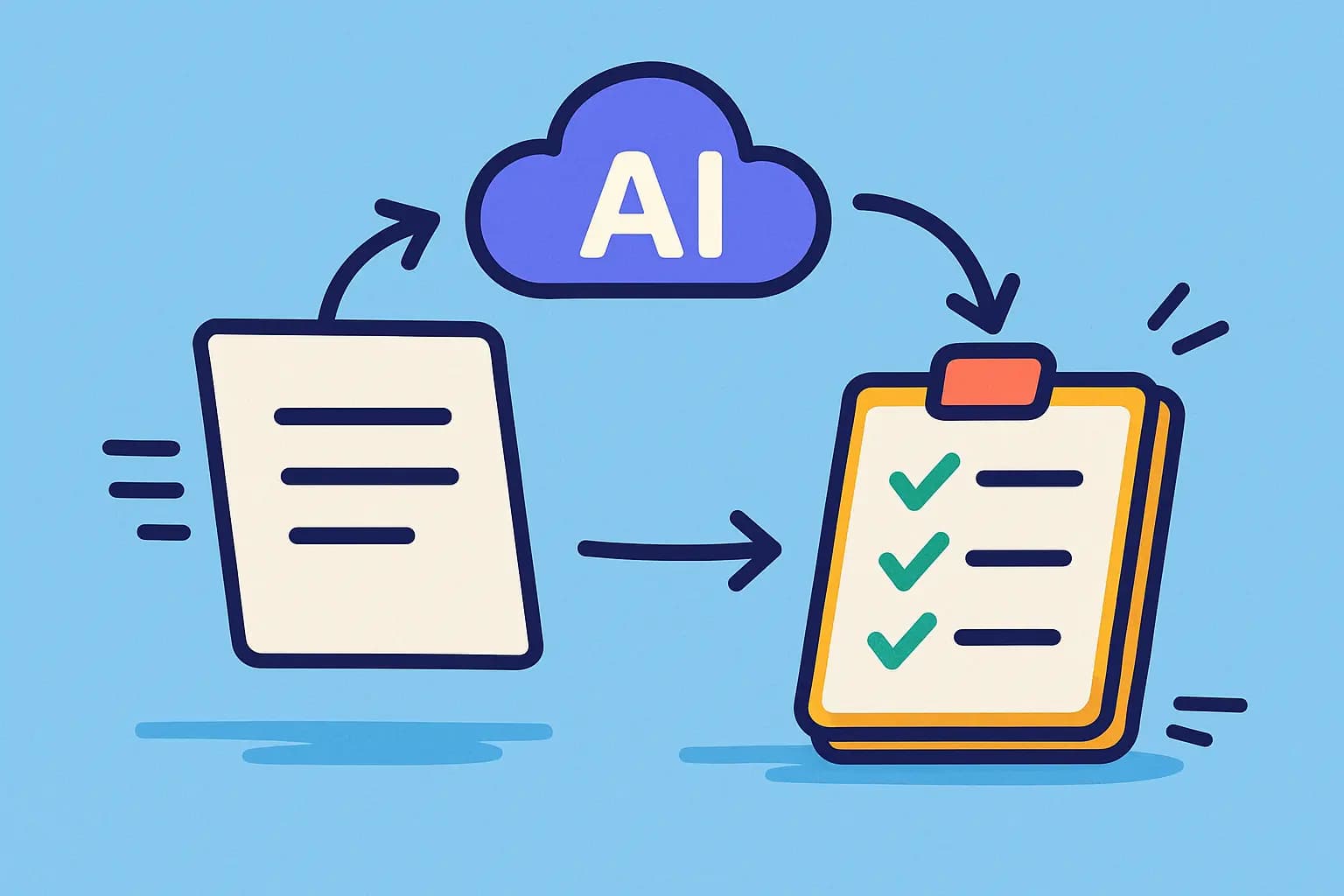

Visuals like these illustrate the real-world benefits of using AI summarizer tools for everyday tasks.
Popular AI Summarizer Tools to Try
There are many excellent options available, from free to premium. Some top ones include:
- Tools are integrated into browsers or apps. You can use platforms like ChatGPT, Grok, or Claude. Simply paste text and ask for a summary.
- Dedicated platforms like QuillBot, Notta, or Writesonic for specialized summarization.
- Advanced ones for specific needs, like summarizing YouTube videos, PDFs, or meetings.
Many are free to start with, and they keep improving as AI technology advances.

10 Best Text Summarizers Powered by AI
This comparison highlights some of the best AI summarizer tools available today.
Tips for Getting the Best Results
To make the most of these tools:
- Offer clear, well-written entry text.
- Specify what you want: “Summarize in 3 bullet points” or “Focus on key arguments.”
- Always review the summary and read the original for important details.
- Combine with your own notes for deeper understanding.
The Future of AI Summarizer Tools
As AI continues to evolve, these tools will become even smarter—handling videos, audio, and multiple languages seamlessly. They’re already changing education, business, and research for the better.
AI summarizer tools are a game-changer for anyone dealing with lots of text. Start exploring one today, and you’ll wonder how you ever managed without it! What will you summarize first?